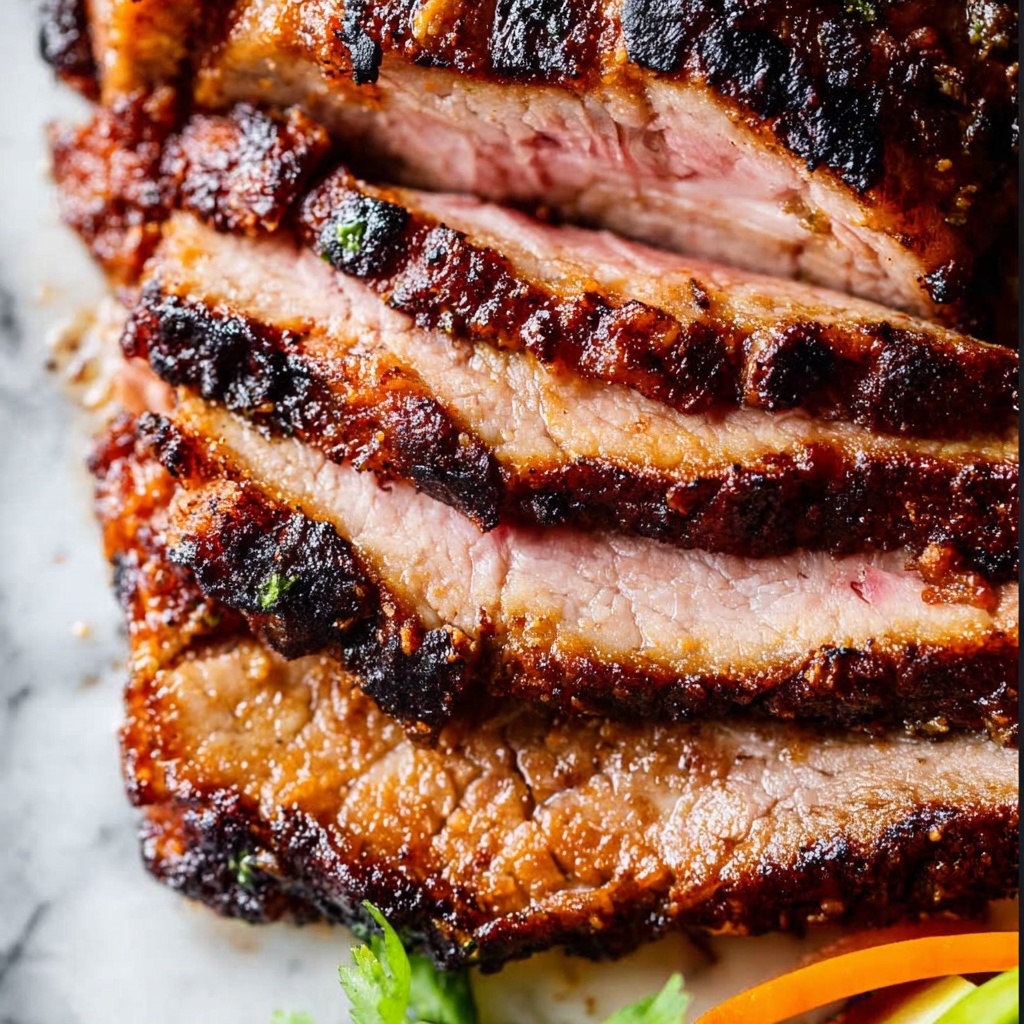
If you are looking for a show-stopping centerpiece that promises both bold flavor and tender, juicy meat, the Roast Leg of Lamb with Blackened Honey Dijon Crust Recipe is your new best friend in the kitchen. This dish takes a classic leg of lamb and transforms it with a rich, aromatic rub featuring garlic, herbs, and that perfect touch of honey Dijon mustard, which caramelizes beautifully in the oven to create a stunning blackened crust. Paired with sweet roasted carrots and an indulgent onion gravy, this roast not only delivers on taste but also on presentation and festive feel—making it ideal for family celebrations or a special Sunday dinner where you’ll want everyone asking for seconds.
Ingredients You’ll Need
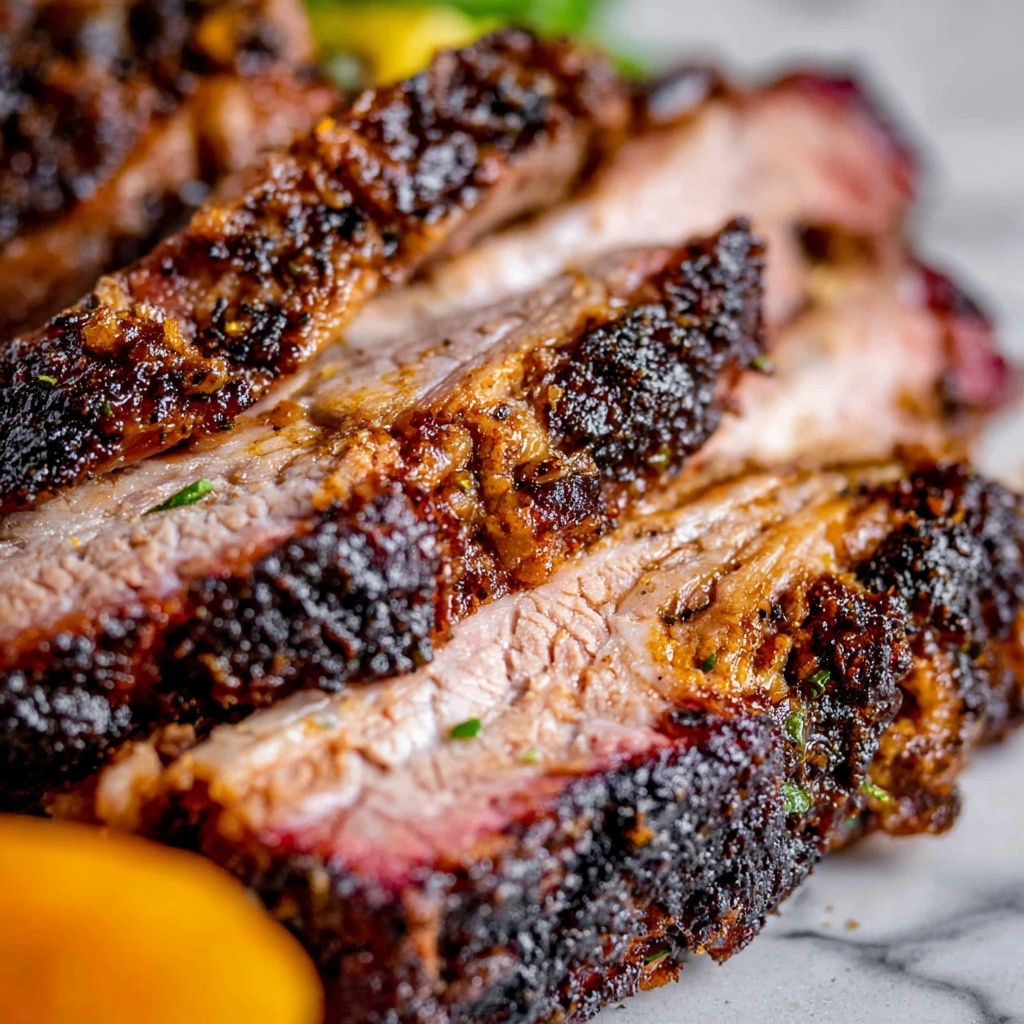
This recipe keeps things wonderfully simple with a handful of essential ingredients that each bring their own magic to the table. The freshness of garlic and herbs, the sweetness of honey Dijon, and the earthiness of carrots all combine to create layers of flavor and satisfying textures.
- 5 pound leg of lamb (bone-in): The star of the dish; bone-in for extra flavor and juiciness.
- Garlic cloves (multiple uses): Inserting sliced garlic into the lamb adds pungent depth, while smashed garlic flavors the rub and roasting pan.
- Dried oregano, thyme, and rosemary: Classic herbs that complement lamb perfectly and give a fragrant aroma.
- Kosher salt and black pepper: Essential for seasoning to enhance and balance all flavors.
- Honey Dijon mustard: Adds sweet tang and helps develop a gorgeous blackened crust.
- Olive oil: Helps bind the rub and adds richness.
- Red onions: Slow-roasted with garlic for a sweet, caramelized bed beneath the lamb.
- Carrots: Adds natural sweetness and color, roasting beautifully alongside the meat.
- Flour: For thickening the savory onion gravy.
- White cooking wine or chicken broth: Builds layers of flavor in the gravy.
- Chicken broth: The base of the rich, homemade onion gravy.
How to Make Roast Leg of Lamb with Blackened Honey Dijon Crust Recipe
Step 1: Bring Your Lamb to Room Temperature
Before diving into any prep, let the leg of lamb sit out on the counter. This small step is crucial because it helps the lamb cook evenly, giving you juicy, tender meat without cold spots in the center.
Step 2: Prepare All Your Garlic
Garlic is the unsung hero here. Smash and thinly slice 2 cloves to tuck into little cuts all over the lamb. Then, smash about 14 more cloves; 10 are pulsed in the rub to infuse every bite, while 4 go right into the roasting pan for subtle, aromatic roasting alongside your vegetables.
Step 3: Insert Garlic Into the Lamb
Gently make small, one-inch deep slits all over the lamb and slide those thin garlic slices in. This technique infuses the meat internally with bright garlic flavor, which becomes mellow and beautifully roasted once cooked.
Step 4: Make the Honey Dijon Garlic Rub
In a food processor, combine the 10 smashed garlic cloves with oregano, thyme, rosemary, kosher salt, black pepper, honey Dijon mustard, and olive oil. Blend until it forms a thick, fragrant paste that’s bursting with savory, herby goodness.
Step 5: Rub the Lamb
Massage that glorious honey Dijon garlic rub all over the lamb. Make sure every surface is covered to guarantee that signature blackened crust full of flavor once it hits the hot oven.
Step 6: Prepare Vegetables for Roasting
Thinly slice red onions and place them with the smashed garlic cloves at the bottom of your roasting pan, then add peeled carrots. Toss the veggies with olive oil, kosher salt, and black pepper for that perfect roast that adds a caramelized sweetness to complement the lamb.
Step 7: Arrange Lamb and Rest
Set the lamb on a roasting rack positioned over the bed of vegetables. Allow the meat to rest with the rub for 15 minutes or up to an hour at room temperature. This resting time enhances flavor penetration and brings the meat closer to cooking temperature.
Step 8: Preheat Your Oven Intensely
Set your oven rack to the second-lowest position and crank the oven up to a screaming 500 degrees Fahrenheit. This high heat jump-starts that irresistible blackened crust we all crave.
Step 9: Insert a Meat Thermometer
If you have one, use an oven-safe digital thermometer inserted into the thickest part of the lamb without touching the bone. This will be your best tool to perfectly cook your roast to your preferred doneness.
Step 10: Roast at High Heat Then Lower
Place the lamb in the oven and shut the door promptly to trap heat. Roast at 500 degrees for 10 minutes—no peeking! Afterward, reduce the temperature to 400 degrees and continue roasting for about 1 hour and 10-25 minutes depending on how you like your lamb cooked. Keep a close eye on the thermometer to avoid overcooking.
Step 11: Rest the Roast
Once out of the oven, carefully move the roast to a cutting board, cover loosely with foil, and let it rest for 20 minutes. Resting lets the juices redistribute, ensuring every slice is juicy and tender.
Step 12: Prepare Onion Gravy
Remove carrots to a warm serving dish, leaving onions in the pan with fat. Drain excess fat until about 2 tablespoons remain. Over medium heat, stir in flour and cook briefly, then add honey Dijon mustard; stir to coat. Pour in white wine and cook until evaporated, then gradually add chicken broth, stirring constantly until the gravy thickens. Season with salt and pepper, and finish with butter for richness if desired.
Step 13: Slice and Serve
Remove kitchen twine if present, then carefully slice the lamb using a sharp, long knife. Slice parallel to the bone first, then rotate to slice perpendicularly to create perfect servings. Serve alongside the roasted carrots and ladle the luscious onion gravy on top or on the side.
How to Serve Roast Leg of Lamb with Blackened Honey Dijon Crust Recipe
Garnishes
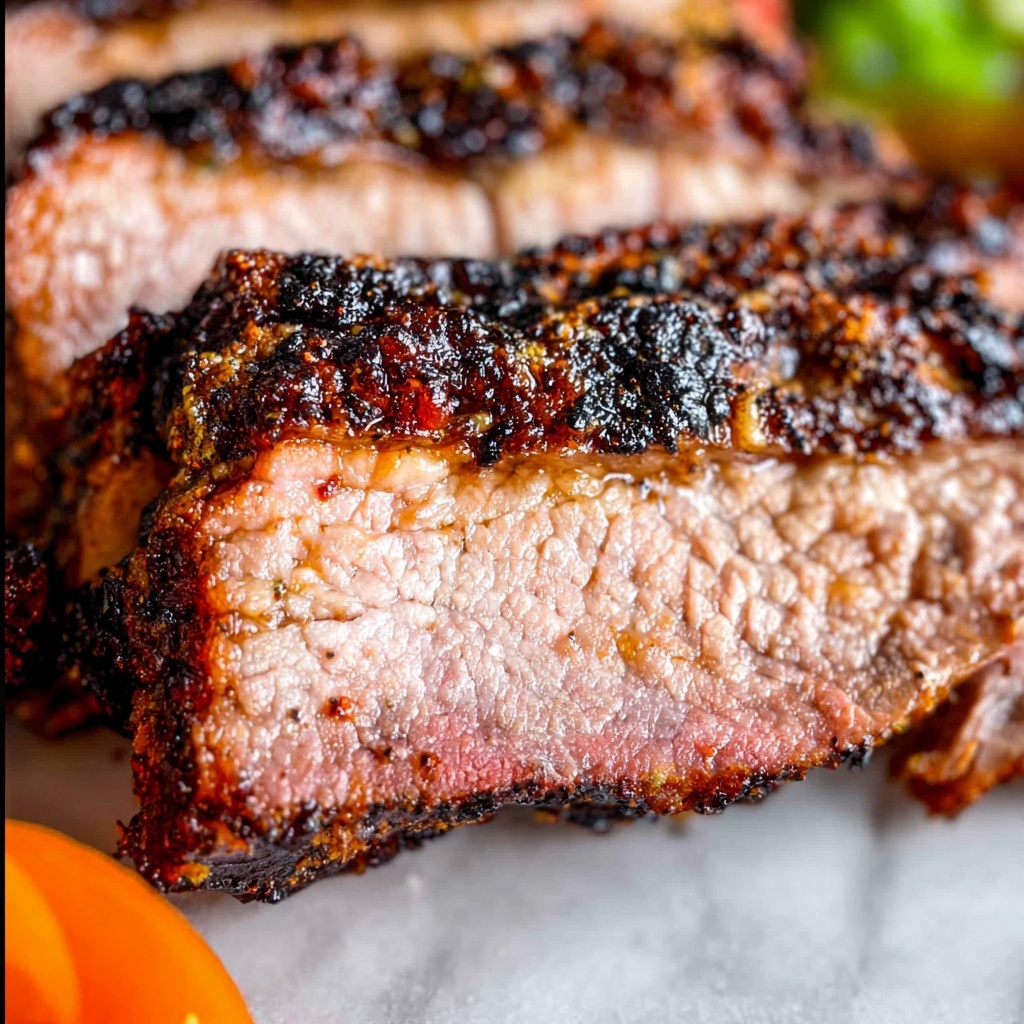
Fresh herbs like rosemary or thyme sprigs make a beautiful and fragrant garnish that echoes the flavors in the lamb. A light sprinkle of flaky sea salt right before serving also enhances the crust’s texture and flavor drama.
Side Dishes
This roast pairs wonderfully with creamy mashed potatoes—Aunt Shirley’s famous recipe is a personal favorite. A crisp green salad or roasted Brussels sprouts also add freshness and color contrast that balance the rich lamb beautifully.
Creative Ways to Present
For a dinner party, consider serving the sliced lamb on a large wooden board surrounded by roasted vegetables, with gravy in a stylish gravy boat. For a more casual family meal, family-style plating with bowls of sides encourages everyone to dig in and share the love.
Make Ahead and Storage
Storing Leftovers
Wrap leftover slices tightly in foil or plastic wrap and store them in an airtight container in the refrigerator for up to 3 days. The lamb maintains its flavor while the crust softens slightly, making for delicious next-day sandwiches or reheated meals.
Freezing
You can freeze sliced leftover lamb for up to 2 months. Use freezer-safe containers or heavy-duty freezer bags, labeling with the date. Thaw gently overnight in the fridge before reheating to preserve texture and taste.
Reheating
Reheat lamb slices gently in a low oven (around 300 degrees Fahrenheit) covered loosely with foil to prevent drying out. Warm the gravy separately and drizzle over the meat to revive that luscious flavor and moisture.
FAQs
Can I use boneless leg of lamb for this recipe?
Yes, you can use boneless leg of lamb but the bone adds extra flavor and helps keep the meat juicy during roasting. Cooking times may be slightly shorter for boneless cuts, so keep an eye on your thermometer.
What internal temperature should I aim for when roasting lamb?
For medium-rare, remove the lamb at about 130 degrees Fahrenheit; for medium, pull it at 135-140 degrees. Remember that the temperature rises about 5 degrees during resting, so plan accordingly.
Can I prepare the rub and insert garlic the night before?
Absolutely! Doing so allows the flavors to penetrate even deeper. Just keep the lamb covered in the fridge overnight and bring it back to room temperature before roasting.
Is there a substitute if I don’t have honey Dijon mustard?
You can mix Dijon mustard with a little honey or maple syrup as a great substitute. Just balance sweet and tangy to match the flavor profile of honey Dijon.
How do I know when the gravy is done?
The gravy should be thick enough to coat the back of a spoon but still pourable. If it’s too thin, cook a few minutes longer; if too thick, add a splash of broth to loosen it.
Final Thoughts
I truly hope you give this Roast Leg of Lamb with Blackened Honey Dijon Crust Recipe a try because it transforms a humble leg of lamb into a glorious meal bursting with flavor, aroma, and a beautiful crust that’s pure magic. It’s easier than it looks and perfect for creating memories around the table with loved ones. Happy roasting!