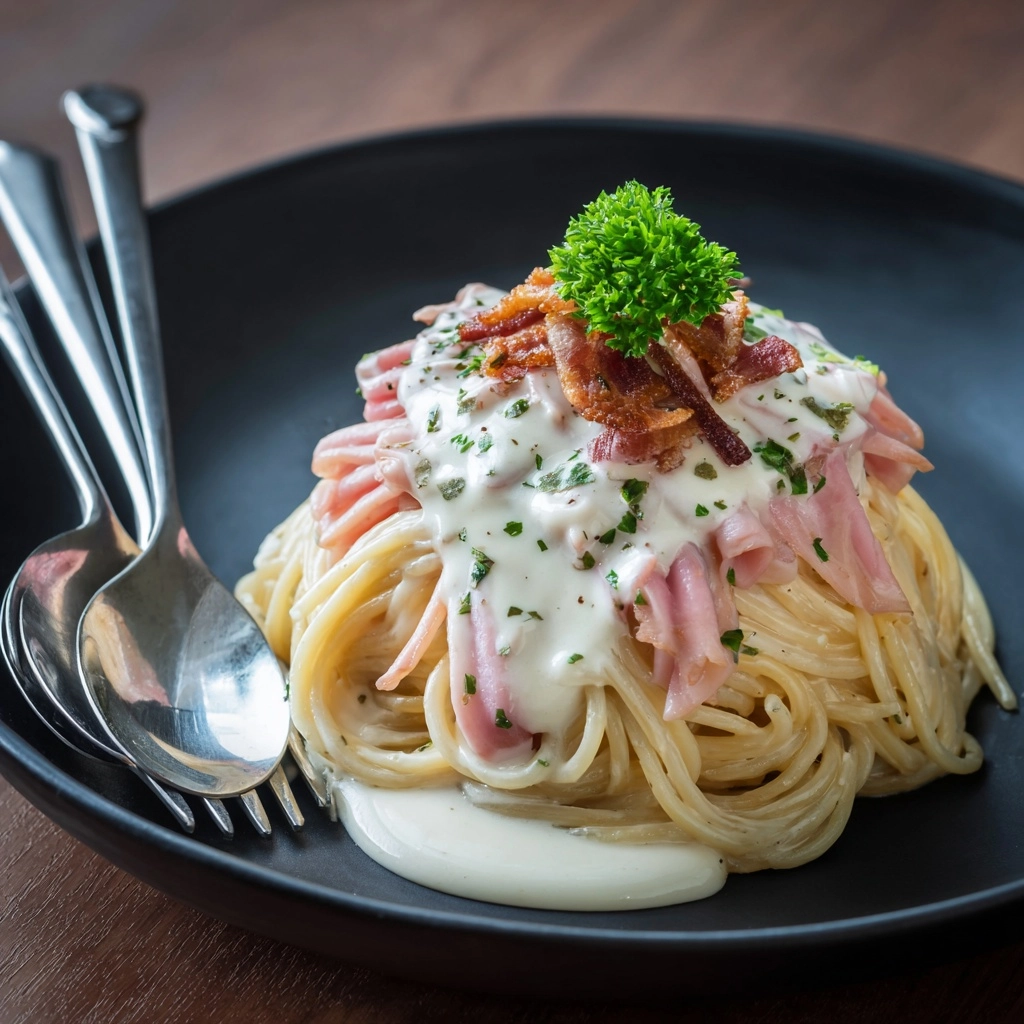
If you are craving a rich, comforting Italian classic that never fails to impress, this Classic Spaghetti Carbonara Recipe is just what you need. It’s a perfect harmony of creamy eggs, sharp Pecorino Romano cheese, and crispy pancetta tossed with perfectly al dente spaghetti. The magic of this dish lies in its simplicity — a few quality ingredients transformed into a luscious, velvety sauce without a drop of cream or complicated steps. Whether you’re cooking for a weeknight dinner or a special occasion, this recipe captures the soul of Roman cuisine and delivers warm, satisfying flavors with every bite.
Ingredients You’ll Need
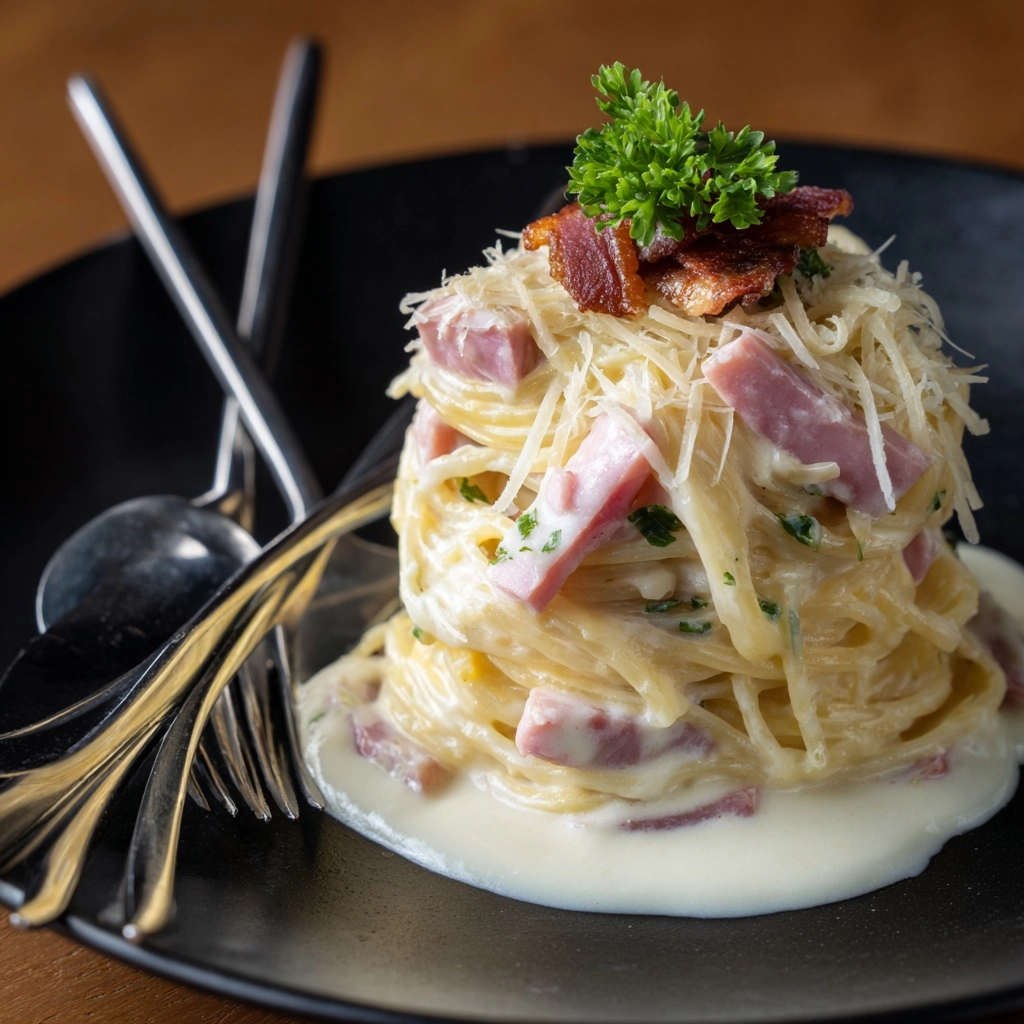
Gathering simple yet essential ingredients is the first step to mastering the Classic Spaghetti Carbonara Recipe. Each ingredient plays a vital role: the pasta provides the comforting base, the pancetta adds a savory crunch, eggs create that silky sauce, and Pecorino Romano offers a punch of salty, tangy flavor. Black pepper adds just the right amount of heat to finish this dish perfectly.
- 12 oz spaghetti: Choose good-quality dried spaghetti for the ideal texture and bite.
- 4 oz pancetta or guanciale, diced: Pancetta provides rich, salty crispiness—guanciale is even more authentic if you can find it.
- 2 large eggs: These form the creamy, luscious base of the sauce.
- 2 large egg yolks: Extra yolks add intensity and silkiness to the sauce consistency.
- 1 cup freshly grated Pecorino Romano cheese: This sharp, salty cheese is key for that signature carbonara flavor.
- 1/2 tsp freshly ground black pepper: Adds just the right amount of spice and aroma.
- Salt to taste: Used wisely mainly for the pasta water since pancetta and cheese are already salty.
How to Make Classic Spaghetti Carbonara Recipe
Step 1: Cook the Spaghetti
Begin by bringing a large pot of salted water to a rolling boil. Salted water is crucial because it seasons the pasta internally as it cooks, enhancing its flavor. Cook the spaghetti until al dente, following the package instructions closely. Al dente pasta has just the right amount of bite and provides the perfect texture to soak up the creamy carbonara sauce.
Step 2: Crisp the Pancetta or Guanciale
While the pasta cooks, heat a large skillet over medium heat and add the diced pancetta or guanciale. Cook these pieces until they are beautifully crispy and golden, about 5 to 7 minutes, releasing their flavorful fat into the pan. This crispy element adds a delightful contrast in texture and deep, savory notes that define a great carbonara.
Step 3: Whisk the Sauce
In a medium bowl, whisk together the eggs, egg yolks, freshly grated Pecorino Romano, and black pepper until the mixture is smooth and creamy. This mixture will transform into your silky sauce. The key here is to do it off the heat to prevent the eggs from scrambling later.
Step 4: Combine Pasta and Pancetta
Reserve about one cup of the hot pasta water before draining the spaghetti. Immediately return the drained pasta to the pot or skillet with the pancetta, making sure the pan is off the heat. This prevents the eggs from cooking too quickly when they’re added.
Step 5: Create the Creamy Carbonara Sauce
Quickly pour the egg and cheese mixture over the hot pasta and stir vigorously. The residual heat will cook the eggs gently, creating a luscious, creamy sauce that clings to every strand of spaghetti. Add the reserved pasta water a little at a time as needed to loosen the sauce and achieve that perfect, glossy texture that carbonara is famous for.
How to Serve Classic Spaghetti Carbonara Recipe
Garnishes
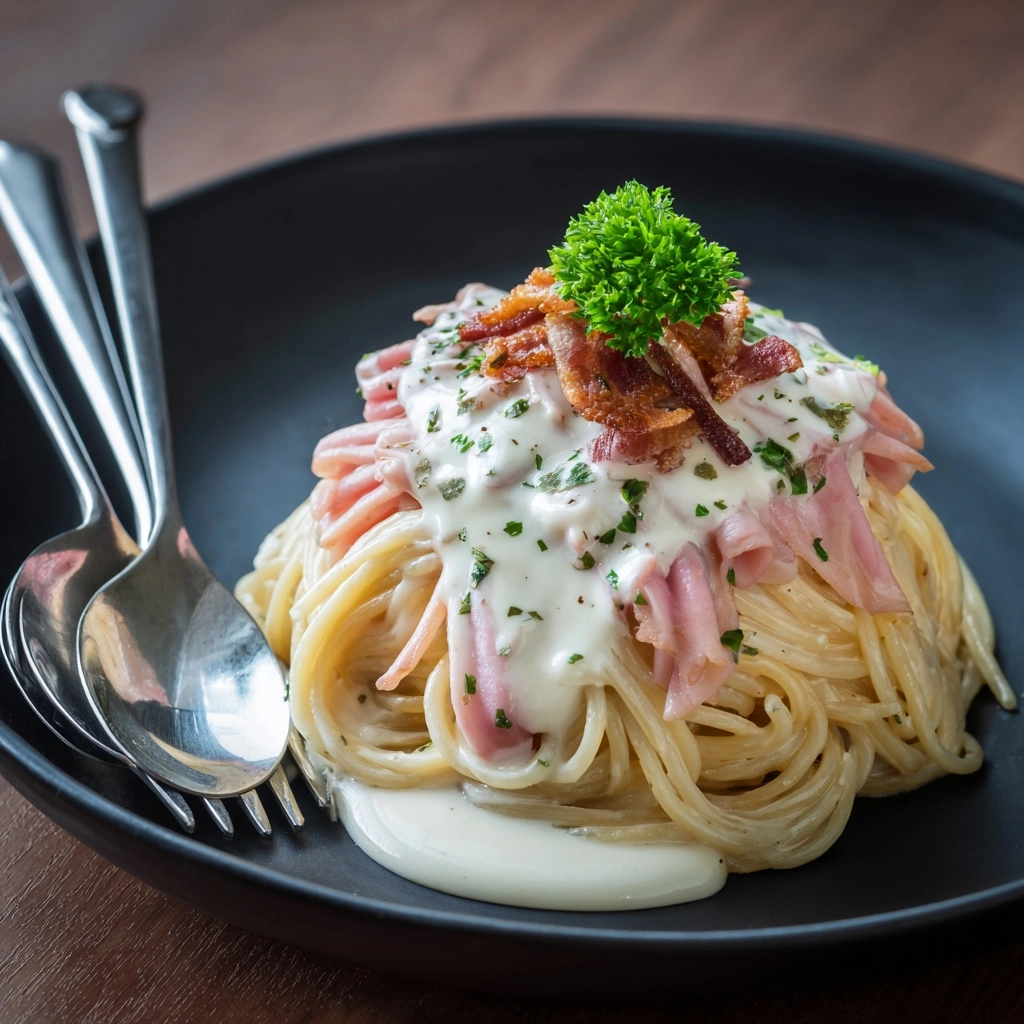
A sprinkle of extra Pecorino Romano cheese and a dusting of freshly cracked black pepper on top just before serving takes this dish over the edge. Not only do these garnishes make the presentation more inviting, but they also amplify the flavors and aroma, creating a beautiful first impression.
Side Dishes
Classic Spaghetti Carbonara Recipe shines best paired with a simple green salad dressed lightly with olive oil and lemon, which cuts through the richness of the pasta. A crusty Italian bread or garlic bread is also a fantastic companion, perfect for soaking up any leftover sauce on your plate.
Creative Ways to Present
If you want to add a touch of flair, serve the carbonara in shallow pasta bowls to keep the sauce visible and inviting. A few sprigs of fresh parsley or basil can add a pop of color and freshness. For a fun twist, try twirling servings on individual forks as you plate them — it’s an easy way to make the dish look restaurant-worthy at home.
Make Ahead and Storage
Storing Leftovers
If you happen to have any leftovers from your Classic Spaghetti Carbonara Recipe, store them in an airtight container in the refrigerator. The dish will keep well for up to two days, though it’s best enjoyed fresh for optimal creaminess and texture.
Freezing
Freezing carbonara is generally not recommended because the creamy sauce can separate and become grainy upon thawing. If you must freeze, store the pasta and sauce separately and reheat gently, but fresh is always best.
Reheating
Reheat leftovers gently on the stovetop over low heat while stirring in a splash of water or broth to revive the sauce’s silky consistency. Avoid high heat to prevent the eggs in the sauce from scrambling, preserving that classic creamy texture you love.
FAQs
Can I use bacon instead of pancetta or guanciale?
Absolutely! While pancetta or guanciale offers the most authentic carbonara flavor, bacon makes a convenient and tasty substitute with a smoky twist. Just be sure to use a good quality bacon to keep the flavor rich.
Is there any cream in Classic Spaghetti Carbonara Recipe?
No cream is used in this traditional recipe. The creamy texture comes from whisking eggs and cheese with pasta water, creating a smooth sauce that clings to every strand of spaghetti without needing heavy cream.
Can I prepare the sauce mixture ahead of time?
You can whisk together the eggs, yolks, and cheese in advance and refrigerate for a few hours, but it’s best to add it to the hot pasta immediately after cooking to ensure the sauce emulsifies properly without scrambling.
How do I know when spaghetti is al dente?
Al dente pasta is tender but still has a slight firmness when bitten. Taste test a noodle a minute or two before the package’s suggested cooking time to ensure you get that perfect texture.
What’s the difference between pecorino romano and parmesan?
Pecorino Romano is made from sheep’s milk, offering a sharper, saltier, and tangier flavor than Parmesan, which is milder and nuttier. Pecorino is the traditional choice for carbonara to give it its characteristic bite.
Final Thoughts
This Classic Spaghetti Carbonara Recipe is a true kitchen gem that brings out the best in a handful of simple ingredients. Its creamy texture, savory punch, and quick preparation make it a dependable favorite for any occasion. Give it a try, and you’ll see why carbonara holds a special place in the hearts of pasta lovers everywhere. Once you’ve mastered this classic, it might just become your go-to comfort dish too!