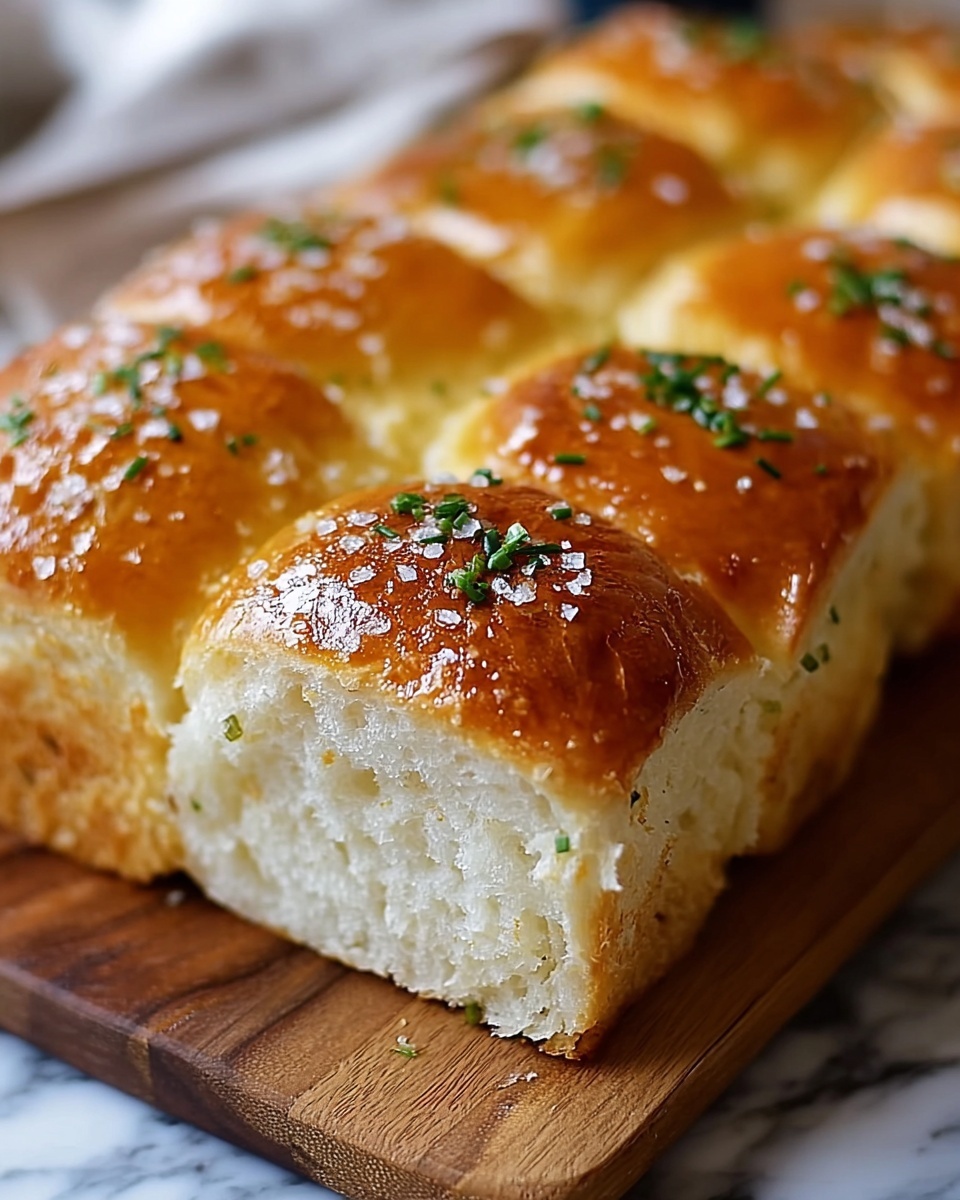
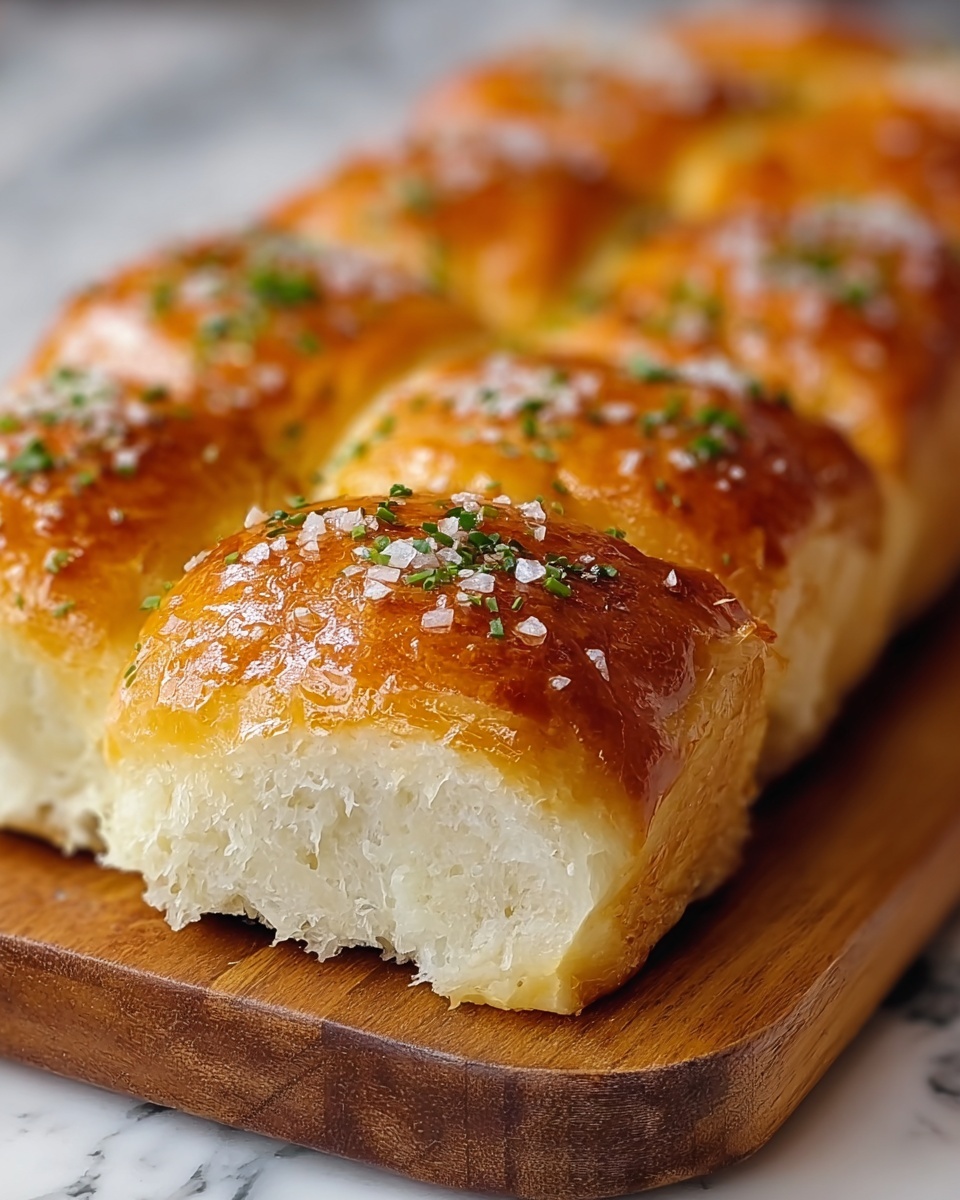
There is something truly magical about pulling a warm loaf fresh from the oven with a perfectly crunchy crust and a soft, airy inside. This Crusty Italian Bread: A Homemade Delight Recipe captures that very essence, delivering a classic Italian loaf that’s both simple to make and irresistibly tasty. Whether you’re serving it alongside your favorite pasta, making a hearty sandwich, or just savoring it with olive oil, this bread will quickly become a staple in your kitchen, showcasing that handmade goodness only homemade bread can offer.
Ingredients You’ll Need
Making this Crusty Italian Bread: A Homemade Delight Recipe requires just a handful of ingredients, each chosen to create the perfect balance of flavor, texture, and that sought-after crust. These basics are pantry-friendly and come together to shape your loaf into a true artisan masterpiece.
- Bread flour (4 cups): Provides the necessary gluten strength for chewy texture and structure.
- Salt (1 ½ teaspoons): Enhances flavor and controls yeast activity for a balanced rise.
- Sugar (1 teaspoon): Feeds the yeast to help the dough rise beautifully and creates a subtle sweetness.
- Olive oil (1 tablespoon): Adds moisture and a hint of rich, fruity flavor.
- Active dry yeast (1 packet/2 ¼ teaspoons): The magical ingredient that makes the dough rise and become airy.
- Warm water (1 ½ cups at 110°F): Activates the yeast and hydrates the flour for perfect dough consistency.
- Optional cornmeal for dusting: Adds a lovely rustic texture to the crust and prevents sticking.
How to Make Crusty Italian Bread: A Homemade Delight Recipe
Step 1: Activate the Yeast
Start by combining the warm water, sugar, and active dry yeast in a large bowl. Let this mixture sit for about 5 to 10 minutes until it becomes frothy and bubbly—this signals that your yeast is awake and ready to work its magic in transforming simple ingredients into an airy loaf.
Step 2: Mix the Dough
Once the yeast mixture is frothy, add the bread flour, salt, and olive oil. Stir everything together until it forms a rough dough. Don’t worry about it being perfect at this stage; the kneading will take care of developing the gluten and making it smooth.
Step 3: Knead Until Smooth
Transfer the dough onto a floured surface and knead it for about 10 minutes. This is where the elbow grease comes in! Kneading builds elasticity and strength in the dough, helping it rise well and develop that wonderful chewy texture we crave in crusty bread.
Step 4: First Rise
Lightly oil a large bowl and place your dough inside. Cover it with a damp towel or plastic wrap and set it somewhere warm for 1 to 2 hours, until the dough doubles in size. This resting period lets the yeast naturally breathe and working to create bubbles inside the dough, giving you that classic artisan crumb.
Step 5: Shape the Loaf
Once your dough has risen, punch it down gently to release any large air pockets, then shape it into a round or oblong loaf. Place the shaped dough onto a baking sheet dusted with cornmeal or lined with parchment paper to prevent sticking and add some rustic flair.
Step 6: Second Rise
Cover the dough again and let it rise for another 30 to 45 minutes. This second proofing ensures the loaf puffs up perfectly in the oven, making that crust crackle and the interior light and soft.
Step 7: Bake to Perfection
Preheat your oven to 425°F (220°C). For an extra crusty finish, you can make a few slashes on top of the dough with a sharp knife, and mist it lightly with water before baking. Optionally, placing a shallow pan of water in the oven creates steam that helps develop that signature crispy crust. Bake for 25 to 30 minutes until golden brown and hollow-sounding when tapped.
Step 8: Cool Completely
Resist the urge to dig in immediately! Let your Crusty Italian Bread: A Homemade Delight Recipe cool thoroughly on a wire rack so the crumb sets just right and the flavors deepen. Then slice, serve, and enjoy that satisfying crunch with every bite.
How to Serve Crusty Italian Bread: A Homemade Delight Recipe
Garnishes
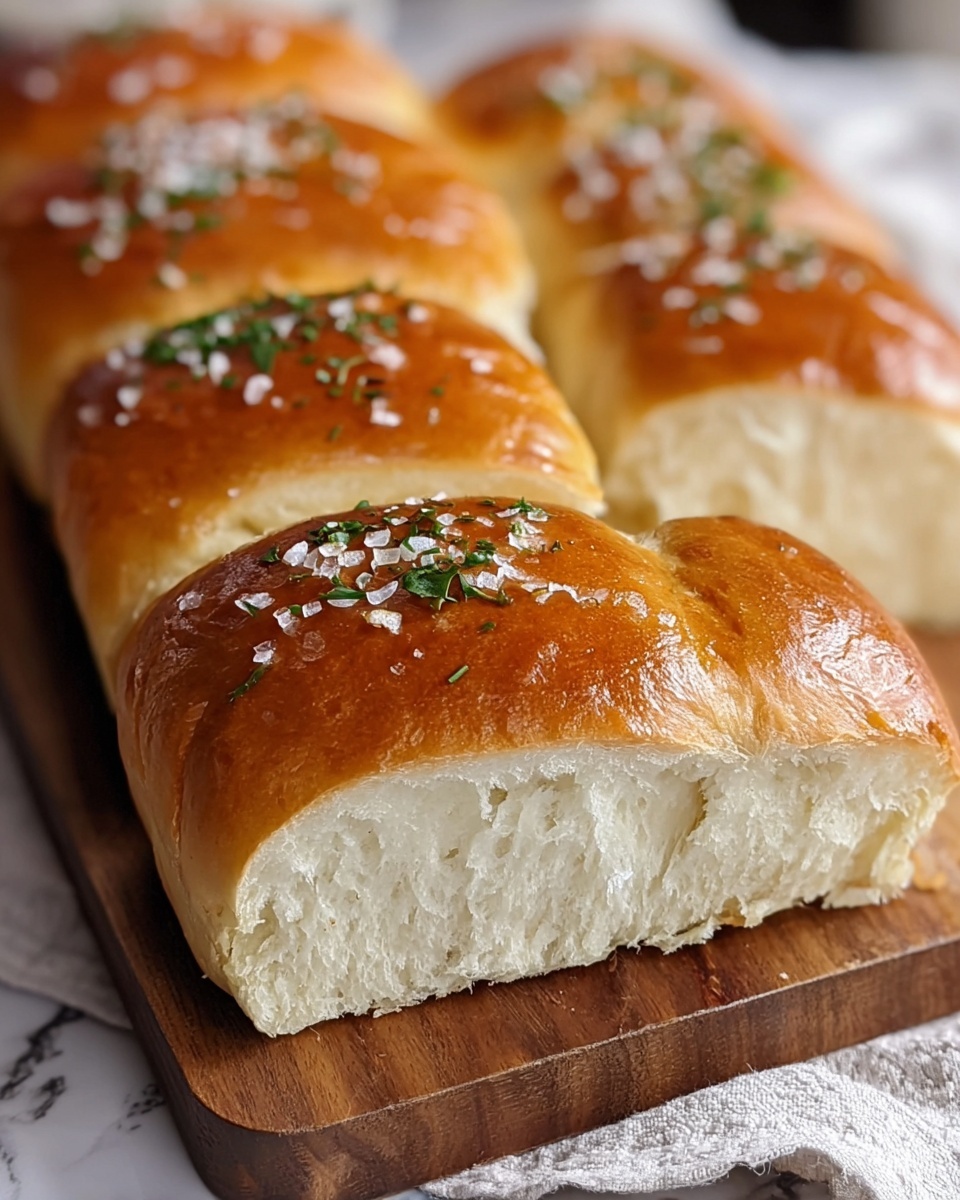
While this bread shines on its own, sprinkling a touch of sea salt or brushing with extra virgin olive oil just before serving can elevate the experience. Fresh herbs like rosemary or thyme sprinkled on top right after baking add an aromatic twist that delights the senses.
Side Dishes
This crusty Italian bread pairs wonderfully with a variety of dishes. Use it to sop up rich tomato sauces, alongside hearty soups like minestrone or creamy mushroom, or serve it with antipasti platters featuring olives, cheeses, and cured meats for an authentic Italian vibe.
Creative Ways to Present
If you’re feeling a bit adventurous, transform your loaf into bruschetta by topping toasted slices with diced tomatoes, garlic, basil, and a drizzle of balsamic glaze. Or make an irresistible panini by layering it with fresh mozzarella, basil, and roasted peppers before grilling. This Crusty Italian Bread: A Homemade Delight Recipe is truly versatile and invites your creativity!
Make Ahead and Storage
Storing Leftovers
Wrap your leftover bread in a clean kitchen towel and keep it in a bread box or paper bag at room temperature to maintain its crust. Avoid plastic bags, which can make the crust soggy. Typically, the bread stays fresh for 2 to 3 days when stored properly.
Freezing
If you bake ahead or happen to have extra loaf, freezing is a great option. Slice your bread before freezing so you can toast or thaw only what you need. Wrap the slices tightly in plastic wrap and then place them in a freezer bag. This way, your Crusty Italian Bread: A Homemade Delight Recipe maintains its flavor even after weeks in the freezer.
Reheating
To bring back that freshly baked aroma and crunch, reheat slices in a toaster or warm the whole loaf for a few minutes in a preheated oven at 350°F (175°C). A light mist with water before reheating helps restore moisture in the crumb while keeping the crust crisp.
FAQs
Can I use all-purpose flour instead of bread flour?
While bread flour provides better gluten development for a chewier texture and crust, you can use all-purpose flour in a pinch. The bread might be slightly less chewy and rise a bit less, but it will still be delicious.
How important is the water temperature for activating yeast?
Water that’s too hot can kill the yeast, and water that’s too cold won’t activate it properly. Aim for about 110°F to ensure the yeast wakes up and starts fermenting, which is crucial for the bread’s rise and flavor.
Can I add herbs or other flavorings to the dough?
Absolutely! Adding fresh or dried herbs, minced garlic, or even grated cheese to the dough can add wonderful flavor dimensions. Just be sure not to overload it so the dough’s structure isn’t compromised.
What does scoring the bread do?
Making slashes on the dough’s surface before baking allows steam to escape and helps the bread expand predictably. It also adds to the artisan look of the loaf and contributes to a more appealing crust.
Is this recipe vegan-friendly?
Yes, this Crusty Italian Bread: A Homemade Delight Recipe contains no animal products, making it a perfect vegan bread option that’s both satisfying and wholesome.
Final Thoughts
Baking your own bread may seem like a challenge, but this Crusty Italian Bread: A Homemade Delight Recipe proves that with a few simple ingredients and a little patience, you can create something truly special at home. The stunning crust, tender crumb, and wonderful aroma make it a loaf worth sharing with family and friends. So roll up your sleeves, preheat that oven, and get ready to fall in love with homemade bread all over again!