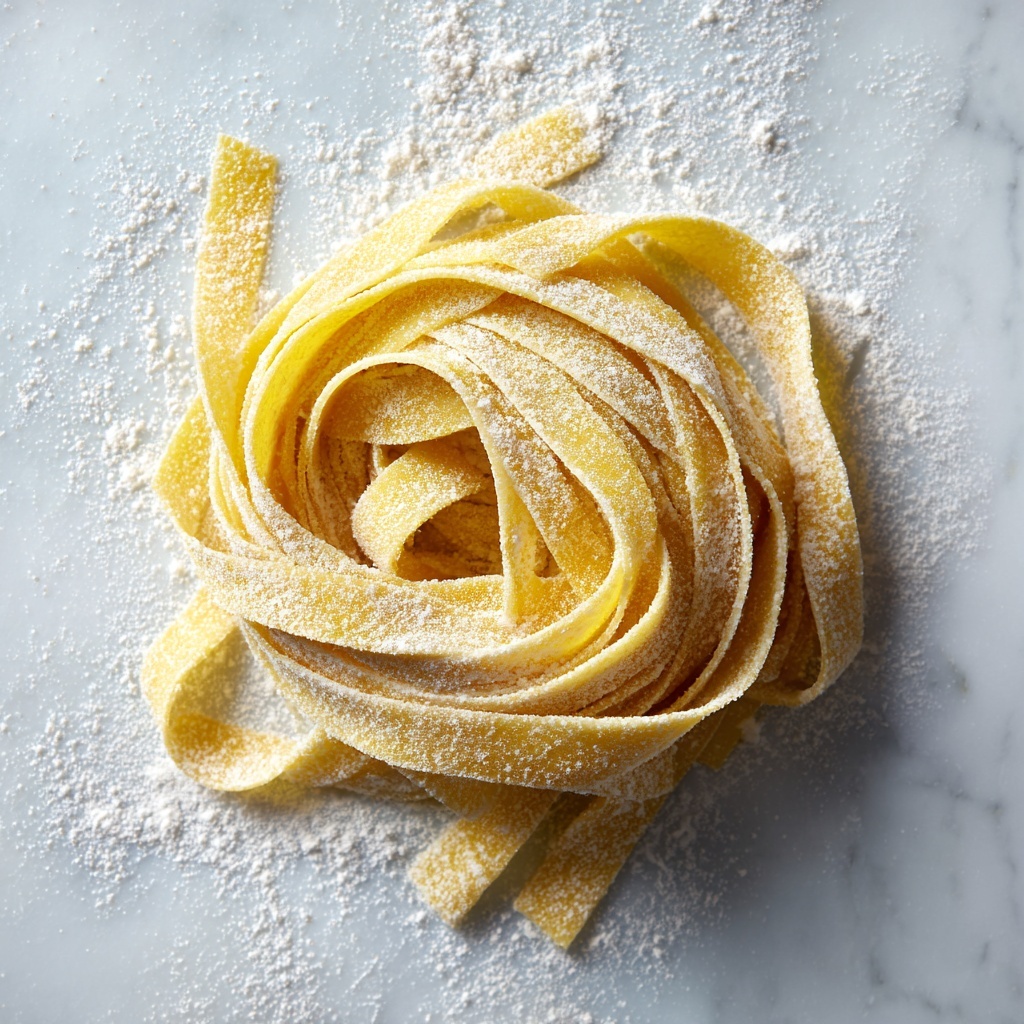
If you have ever dreamed of crafting your own fresh pasta from scratch, then the Perfect Homemade Pasta Dough: Silky, Simple, and So Worth It Recipe is about to become your new best friend in the kitchen. This recipe offers a beautifully balanced dough that combines classic flours with a rich egg base, resulting in pasta that is incredibly tender yet holds its shape flawlessly. The joy of making pasta by hand, feeling the silky texture come together under your hands, and then cooking it to al dente perfection is genuinely unforgettable. Plus, this recipe is both straightforward and flexible, inviting you to experiment with herbs or natural color infusions that will make your pasta not only delicious but visually stunning. Whether you’re dipping your toes into pasta-making for the first time or looking to perfect your existing skills, this recipe consistently delivers a result that feels truly special.
Ingredients You’ll Need
The magic of homemade pasta begins with a handful of simple ingredients, each playing a crucial role in the dough’s texture, flavor, and elasticity. Using the right combination ensures your pasta has that classic, silky bite we all crave.
- 700 g ’00’ flour: This finely milled Italian flour is the traditional base for pasta, giving it a tender yet strong structure.
- 100 g semola rimacinata flour: Offers a slight grit, adding bite and helping the dough hold its shape; substitute with more ’00’ flour if needed.
- 456 g eggs (about 8 large): The key to richness and moisture, eggs bring flavor and color, making the dough silky and smooth.
- 1 tbsp olive oil: Adds elasticity and a subtle fruity note, making the dough easier to knead and roll.
- Fresh herbs (optional): Finely chopped basil or parsley create a fragrant twist, infused right into the dough.
- Turmeric or beetroot powder (optional): Natural ways to introduce vibrant color and a slight earthiness to your pasta.
How to Make Perfect Homemade Pasta Dough: Silky, Simple, and So Worth It Recipe
Step 1: Combine and Create the Flour Well
Start by gathering your ’00’ flour and semola rimacinata flour on a large clean surface or in a spacious bowl. Combining these two flours is the secret foundation for that perfect balance of tenderness and bite. Shape the flours into a mound, then press your fingers to create a well in the center that will cradle the wet ingredients.
Step 2: Incorporate the Eggs Slowly
Crack your eggs right into the center of the flour well and gently beat them with a fork. This is the start of that silky dough texture you’re aiming for. Take your time as you slowly bring in the flour from the edges, folding it into the eggs so that everything begins to come together evenly. Building this dough gradually keeps it from becoming too wet or tough.
Step 3: Knead to Perfection
Once the dough starts to hold together, begin kneading by hand for about 10 to 12 minutes. The goal here is a smooth, elastic ball that springs back when pressed. If your dough feels a bit dry, add water one drop at a time. Conversely, if it’s too sticky, sprinkle with a touch more flour. This kneading step is beautifully meditative and truly where the dough transforms into pasta magic.
Step 4: Rest Your Dough
Wrap your dough tightly in plastic wrap and let it rest at room temperature for 30 to 60 minutes. This resting period is essential—it allows the flour to hydrate fully and the gluten to relax, meaning your pasta will roll out smoother and be far easier to shape later on.
Step 5: Roll and Cut to Your Heart’s Desire
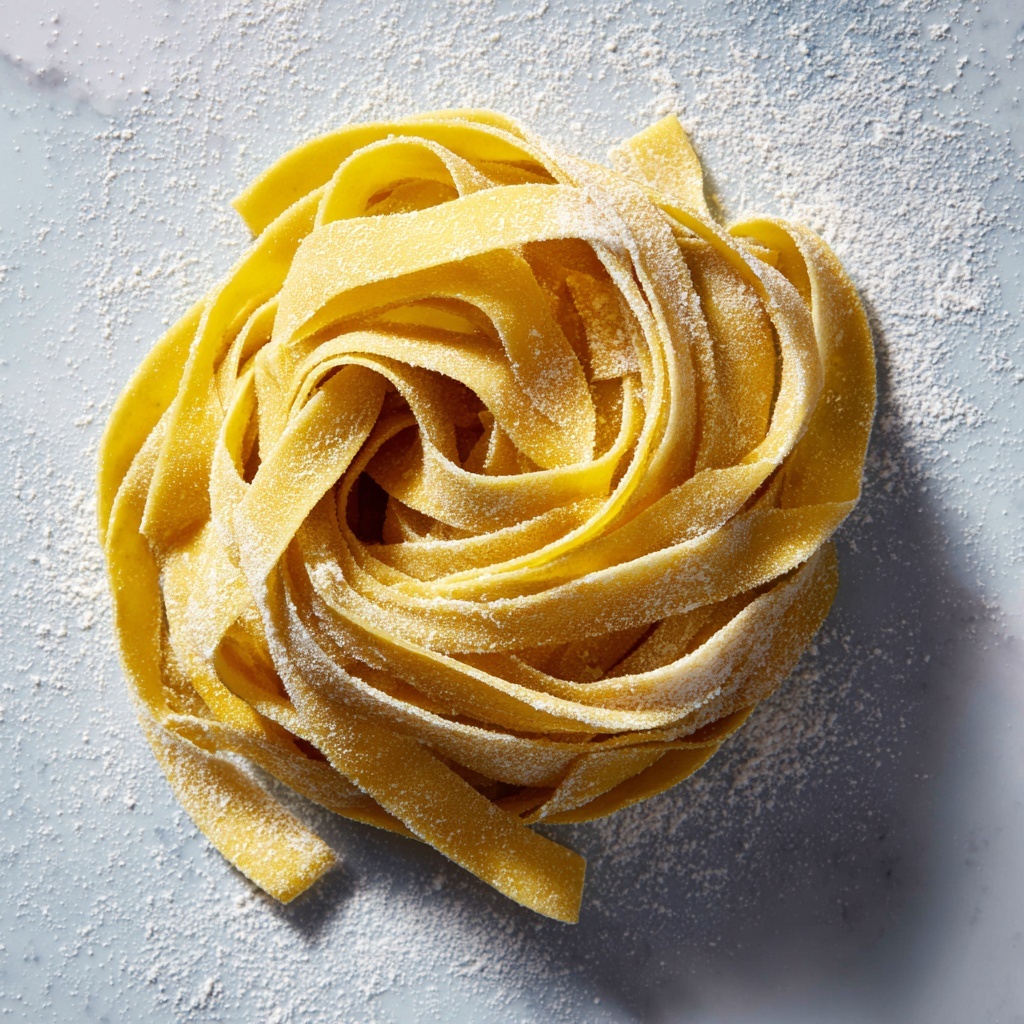
After resting, divide your dough into manageable portions. Use a pasta machine or a rolling pin to roll each piece to your preferred thickness. Whether you’re aiming for delicate tagliatelle, hearty pappardelle, or classic ravioli sheets, this step lets your creativity shine. Cut the dough into your favorite shapes and get ready to cook up some fresh pasta goodness.
How to Serve Perfect Homemade Pasta Dough: Silky, Simple, and So Worth It Recipe
Garnishes
For garnishes, simplicity is often the best way to highlight your fresh pasta. A drizzle of high-quality olive oil, freshly grated Parmigiano-Reggiano, or a scattering of chopped fresh herbs like basil, parsley, or chives can elevate your dish without overpowering it. Toasted pine nuts or a squeeze of lemon zest also add a lovely dimension, pairing beautifully with the delicate flavors of your handmade pasta.
Side Dishes
Pair your pasta with a crisp green salad dressed in a lemon vinaigrette or some roasted seasonal vegetables. Light sides that offer textural contrast keep the focus on the pasta while providing balance to the meal. A warm crusty bread is another beautiful accompaniment, especially when dipped in oils or tomato-based sauces alongside your pasta.
Creative Ways to Present
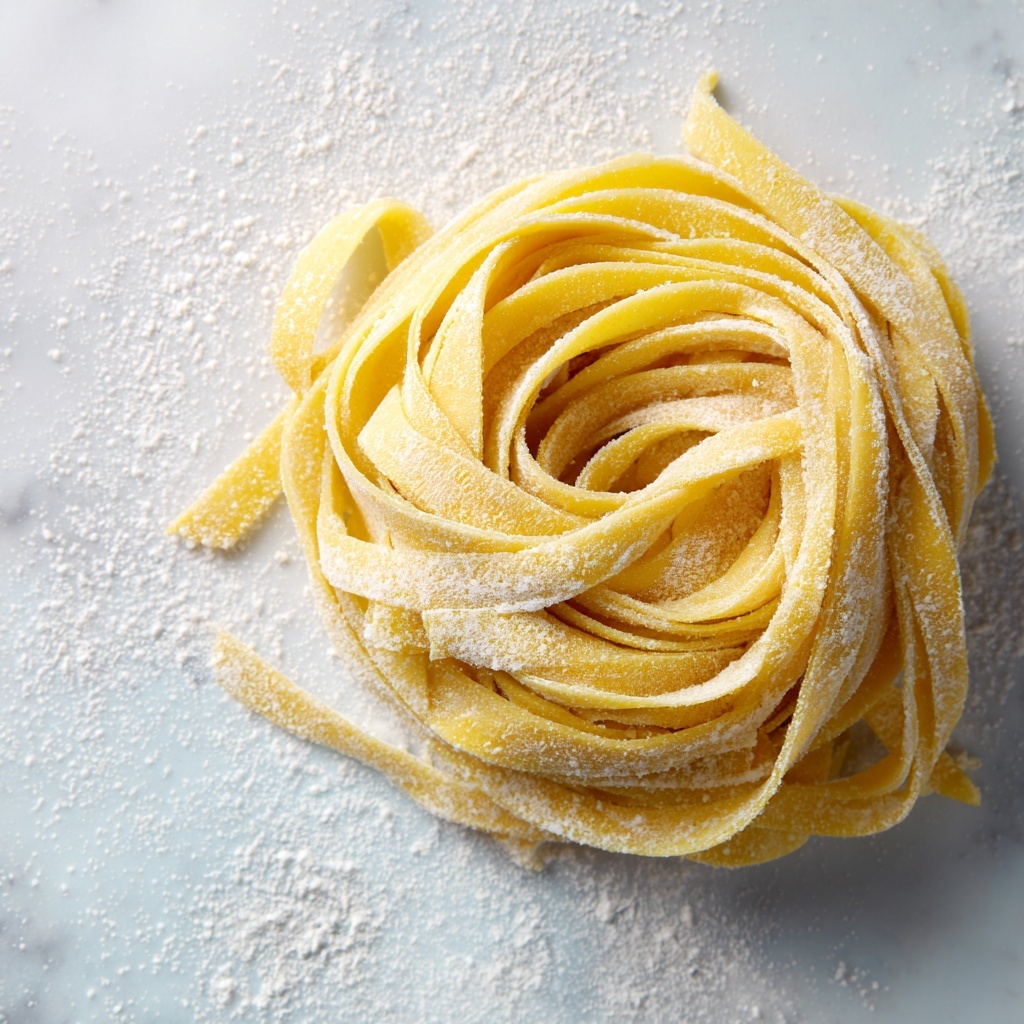
Why not turn your pasta dinner into a feast for the eyes too? Plate your pasta in neat nests or twirls, topped with colorful sauces or speckled with fresh herbs. Consider layering pasta sheets for a quick homemade lasagna or rolling filled pastas like tortellini or ravioli for an elegant, bite-sized presentation. Add edible flowers or a sprinkle of crushed red pepper for that extra flair.
Make Ahead and Storage
Storing Leftovers
If you have leftover fresh pasta dough or cut pasta shapes, store them well to preserve their freshness. Wrap the dough tightly in plastic wrap and keep it in the refrigerator for up to 24 hours. Fresh cut pasta can be arranged on a floured tray, covered loosely with a cloth, and refrigerated briefly before cooking.
Freezing
To freeze homemade pasta dough or shaped pasta, flash freeze the pieces on a baking sheet until firm, then transfer to airtight containers or freezer bags. This way, you can enjoy your Perfect Homemade Pasta Dough: Silky, Simple, and So Worth It Recipe anytime, and frozen pasta cooks just as beautifully as fresh.
Reheating
Fresh or thawed pasta reheats best by boiling it directly in salted water until al dente—typically for just a few minutes. Avoid microwaving pasta dough raw, as it won’t cook evenly. Pair your warm pasta with fresh sauce for a comforting meal any day of the week.
FAQs
Can I use all-purpose flour instead of ’00’ flour?
Absolutely! While ’00’ flour offers exceptional texture for pasta, all-purpose flour is a fine substitute that will still yield tasty results, just with a slightly different bite.
Why do you need to let the dough rest?
Resting lets the gluten strands relax and the flour absorb moisture evenly, making the dough easier to roll and shape without snapping back.
Can I add flavors or colors to the dough?
Yes! Adding finely chopped herbs or natural powders like turmeric or beetroot is a fantastic way to personalize your pasta and make it visually striking.
How thick should I roll my pasta dough?
This depends on the pasta shape you want. For ribbon pastas like tagliatelle, aim for about 1–2 mm thickness; for filled pasta, thinner sheets between 1 mm or less work best.
Is olive oil necessary in the dough?
While not essential, olive oil adds elasticity to the dough and enriches its flavor slightly, making kneading easier and the end pasta more tender.
Final Thoughts
There is something truly soulful about making your own pasta from scratch, and the Perfect Homemade Pasta Dough: Silky, Simple, and So Worth It Recipe strikes that perfect balance between traditional technique and accessible, inviting flavor. Once you experience the silky texture and fresh taste of this homemade pasta, you’ll wonder why you ever settled for store-bought. So grab your ingredients, roll up your sleeves, and dive into the rewarding world of pasta-making—you won’t regret it.