

If you have ever wanted to master a flavorful, aromatic, and colorful dish that feels like dining out at your favorite eatery, this Restaurant Style Vegetable Biryani Recipe is exactly what you need. It’s a classic Indian dish where fragrant basmati rice mingles with a vibrant mix of vegetables and an exquisite blend of spices. The magic lies in the layers of taste and the perfect balance between tender rice and crisp veggies, all infused with fresh herbs and warming spices that make every bite a celebration. Whether you’re cooking for family, friends, or just treating yourself, this recipe brings restaurant-quality biryani right to your kitchen.
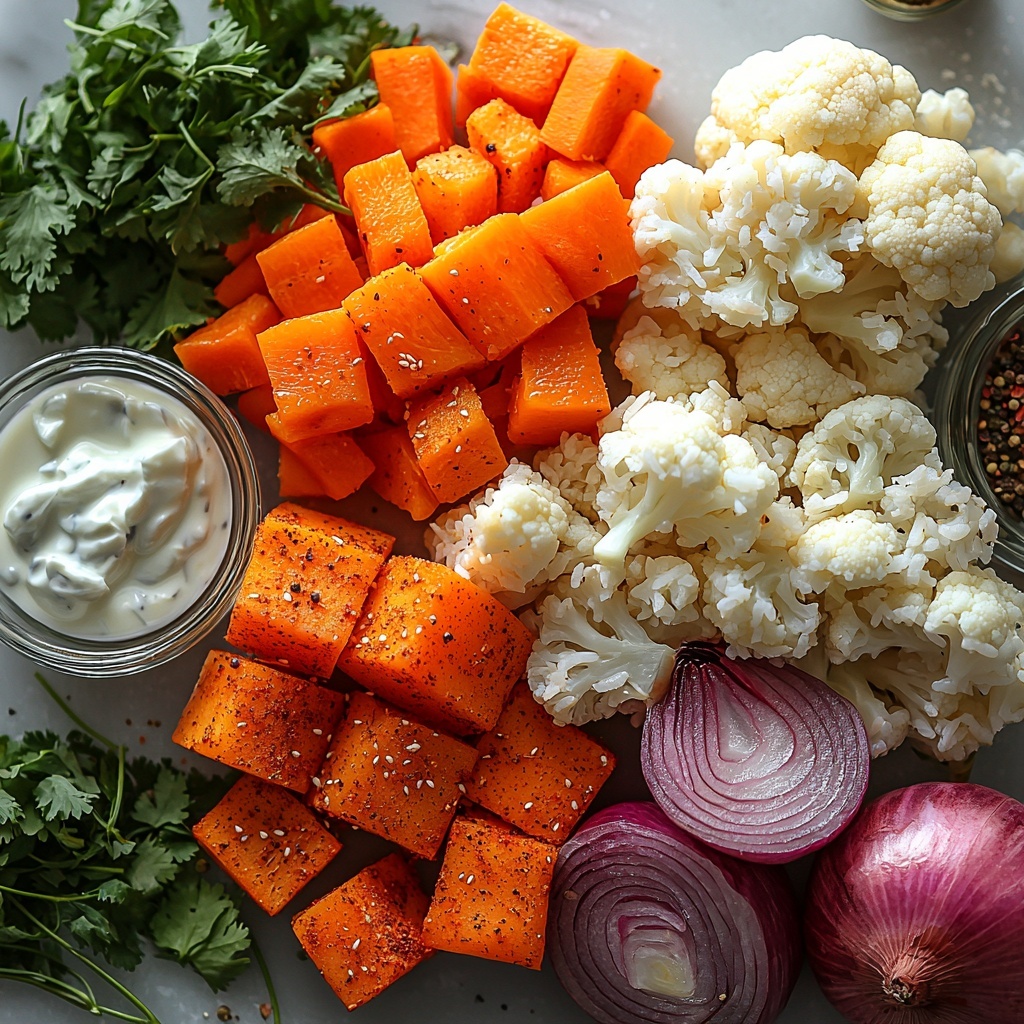
Ingredients You’ll Need
These ingredients are simple yet essential. Each one plays a vital role in building the vibrant colors, textures, and mouth-watering aromas that make this biryani special. From the fragrant basmati rice to the medley of fresh vegetables and carefully chosen spices, everything combines to create a symphony of flavors.
- Basmati rice (1 cup): Long-grain rice that cooks fluffy and fragrant, forming the perfect biryani base.
- Red onions (2 medium): Provide sweetness and a beautiful golden color when caramelized.
- Potato (1 small): Adds softness and a subtle earthiness to every bite.
- Cauliflower florets (1/2 cup): Offer a tender crunch and absorb spices wonderfully.
- Carrot (1 medium): Contributes a slight natural sweetness and vibrant color.
- Green beans (5-6 pieces): Bring freshness and light crispness to balance the dish.
- Yogurt (2 tablespoons): Adds creaminess and tang, tenderizing the vegetables and rice.
- Whole spices (cumin seeds, cardamom, cloves, etc.): Essential for that authentic aromatic burst that defines this biryani.
- Fresh cilantro and mint: Burst of herbaceous freshness that elevates the dish’s flavor profile.
- Ghee: Clarified butter used for sautéing to infuse richness and depth.
- Crushed ginger, garlic, and green chilies: For warmth, pungency, and a subtle spicy kick.
How to Make Restaurant Style Vegetable Biryani Recipe
Step 1: Prepare the Rice
Begin by rinsing the basmati rice under cold water until it runs clear to remove excess starch. This is key to getting separate, fluffy grains after cooking. Soak the rice in water for about 20-30 minutes before draining to ensure even cooking and the perfect texture.
Step 2: Sauté the Whole Spices
Heat ghee in a heavy-bottomed pot, then add half of your whole spices like cumin seeds, cardamom pods, and cloves. Let them sizzle gently until fragrant—this releases their essential oils, creating that unforgettable biryani fragrance.
Step 3: Caramelize the Onions
Add sliced red onions to the pot and cook on medium heat until they turn golden brown. This caramelization brings sweetness and richness, providing a delicious base for the vegetable layers to come.
Step 4: Cook the Vegetables
Stir in cubed potatoes, cauliflower florets, chopped carrots, and green beans. Cook everything together for about 5 minutes, allowing the veggies to begin softening while soaking up those fragrant spices you just released.
Step 5: Add Aromatics and Yogurt
Mix in crushed ginger, garlic, and finely chopped green chilies. Sauté for a minute more until the raw aromas mellow. Then stir in the yogurt and the remaining spices. The yogurt adds a subtle tang and binds everything beautifully, ensuring the vegetables stay moist and flavorful.
Step 6: Layer the Rice and Cook
Drain your soaked rice and layer it evenly over the vegetable mixture in the pot. Pour water gently over the rice and vegetables, then cover the pot tightly. Cook on low heat for around 30 minutes until the rice is tender and perfectly infused with the spices and vegetable juices.
How to Serve Restaurant Style Vegetable Biryani Recipe
Garnishes
A generous sprinkle of freshly chopped cilantro and mint leaves immediately lifts the dish, adding vibrant color and lively freshness. For an added restaurant touch, some fried onions or a few saffron strands soaked in warm milk make beautiful garnishes that enhance both look and flavor.
Side Dishes
This vegetable biryani pairs wonderfully with cooling raita—a yogurt-based side with chopped cucumber or boondi. You can also serve it alongside a crisp salad or some tangy pickle for contrast. A dollop of plain yogurt or a simple vegetable korma will balance the bold spices perfectly.
Creative Ways to Present
Try serving this biryani in individual ramekins or small bowls, then invert onto plates for an elegant presentation. Alternatively, layering the biryani with a handful of toasted nuts and raisins can add delightful texture and surprise to every mouthful. Presentation can truly transform this home-cooked meal into a feast worth celebrating.
Make Ahead and Storage
Storing Leftovers
You can keep leftover biryani covered in the refrigerator for up to 3 days. Store it in an airtight container to preserve freshness and prevent the rice from drying out. When refrigerated properly, the flavors often deepen as they meld overnight.
Freezing
Freeze any extra biryani in portion-sized containers for up to 1 month. Allow the biryani to cool completely before freezing to avoid condensation, which can affect texture. It’s a lifesaver for quick meals whenever you crave something comforting without the prep time.
Reheating
When reheating, add a splash of water or broth to the biryani and cover it loosely before warming in the microwave or on the stove. This restores the moisture and revives the fluffy texture of the rice. Reheat gently to retain the bright flavors of the spices and herbs.
FAQs
Can I use other vegetables in this biryani?
Absolutely! Vegetables like peas, bell peppers, or even mushrooms work wonderfully and can personalize the dish to your liking. Just adjust the cooking time to ensure all veggies are tender.
Is it necessary to soak the basmati rice?
Soaking the rice helps it cook evenly and results in light, fluffy grains. While you can skip it in a pinch, soaking is a small step that greatly improves texture.
Can I make this biryani vegan?
Yes, simply replace the ghee with vegetable oil or vegan butter and use dairy-free yogurt alternatives. The spices and vegetables will still do all the flavor work!
How spicy is this recipe?
It’s moderately spicy, mainly from the green chilies. You can adjust the amount depending on your heat preference or skip them entirely for a milder version.
What if I don’t have fresh herbs like cilantro or mint?
While fresh herbs are ideal for that bright finish, dried herbs can be used in a pinch, though they won’t have quite the same freshness. Alternatively, a squeeze of lemon juice before serving can add a nice punch.
Final Thoughts
This Restaurant Style Vegetable Biryani Recipe is a treasure to have in your culinary repertoire. It’s comforting, colorful, and packed with layers of complex flavors that truly make every meal feel special. Whether you’re impressing guests or savoring a quiet dinner at home, this biryani brings a little restaurant magic onto your plate. Go ahead and try it—you might just find your new favorite homemade feast!
Print
Restaurant Style Vegetable Biryani Recipe
- Prep Time: 15 minutes
- Cook Time: 35 minutes
- Total Time: 50 minutes
- Yield: 4 servings
- Category: Main Course
- Method: Stovetop
- Cuisine: Indian
- Diet: Vegetarian
Description
This Restaurant Style Vegetable Biryani is a flavorful, aromatic one-pot Indian rice dish made with basmati rice, mixed vegetables, yogurt, and a blend of whole and ground spices. The recipe features tender vegetables like potatoes, cauliflower, carrots, and green beans, cooked with fragrant spices such as cumin, cardamom, and cloves, layered with soaked basmati rice, and simmered to perfection to create a rich, satisfying meal perfect for family dinners or special occasions.
Ingredients
Rice
- 1 cup basmati rice
Vegetables
- 2 medium red onions, sliced
- 1 small potato, cubed
- 1/2 cup cauliflower florets
- 1 medium carrot, chopped
- 5–6 green beans, trimmed and chopped
Dairy
- 2 tablespoons yogurt
Spices and Herbs
- 1 teaspoon cumin seeds
- 3–4 green cardamom pods
- 3–4 cloves
- 1/2 teaspoon crushed ginger
- 1/2 teaspoon crushed garlic
- 1–2 green chilies, crushed
- Other whole and ground spices such as cinnamon stick, bay leaf, black peppercorns (optional, typically used in biryani)
- Fresh cilantro leaves, chopped (for garnish)
- Fresh mint leaves, chopped (for garnish)
Fat and Oil
- 2 tablespoons ghee
Liquids
- Approximately 1 1/4 cups water (to cook rice and vegetables)
Instructions
- Rinse and soak rice: Rinse the basmati rice under cold water until the water runs clear to remove excess starch. Soak the rice in water for about 20-30 minutes, then drain and set aside.
- Heat ghee and toast spices: In a heavy-bottomed pot or deep skillet, heat the ghee over medium heat. Add half of the whole spices such as cumin seeds, cardamom pods, and cloves. Sauté for a minute or until fragrant to release the aromas.
- Sauté onions: Add the sliced onions to the pot. Cook them slowly, stirring frequently, until they turn golden brown and caramelized, which adds a deep flavor base to the biryani.
- Cook vegetables: Add the cubed potato, cauliflower florets, chopped carrot, and green beans to the pot. Stir well and cook for about 5 minutes, allowing the vegetables to soften slightly while absorbing the spices.
- Add aromatics: Stir in crushed ginger, crushed garlic, and crushed green chilies. Sauté for another minute to combine flavors and enhance the dish’s spice profile.
- Incorporate yogurt and spices: Mix in 2 tablespoons of yogurt along with any remaining ground spices (such as turmeric, garam masala, chili powder) to create a rich, flavorful vegetable base.
- Layer rice: Evenly layer the soaked and drained basmati rice over the cooked vegetable mixture in the pot. Be careful not to mix; layering is essential for traditional biryani texture.
- Add water and cook: Pour about 1 1/4 cups of water over the rice and vegetables. Cover the pot tightly with a lid and reduce the heat to low. Let it simmer undisturbed for about 30 minutes or until the rice is tender and water is fully absorbed.
- Finish and garnish: Once cooked, gently fluff the biryani with a fork to mix the layers slightly. Garnish with fresh chopped cilantro and mint leaves before serving.
Notes
- Soaking basmati rice before cooking helps achieve fluffy grains and reduces cooking time.
- Caramelizing onions slowly is key to developing deep flavor in the biryani base.
- You can add other vegetables like peas or bell peppers according to preference.
- Adjust the quantity of green chilies based on your spice tolerance.
- Covering the pot tightly while cooking allows steaming, essential for cooking rice properly.
- Using ghee instead of regular oil adds richness and authentic flavor.
- Let the biryani rest covered for 5 minutes after cooking to allow flavors to meld.