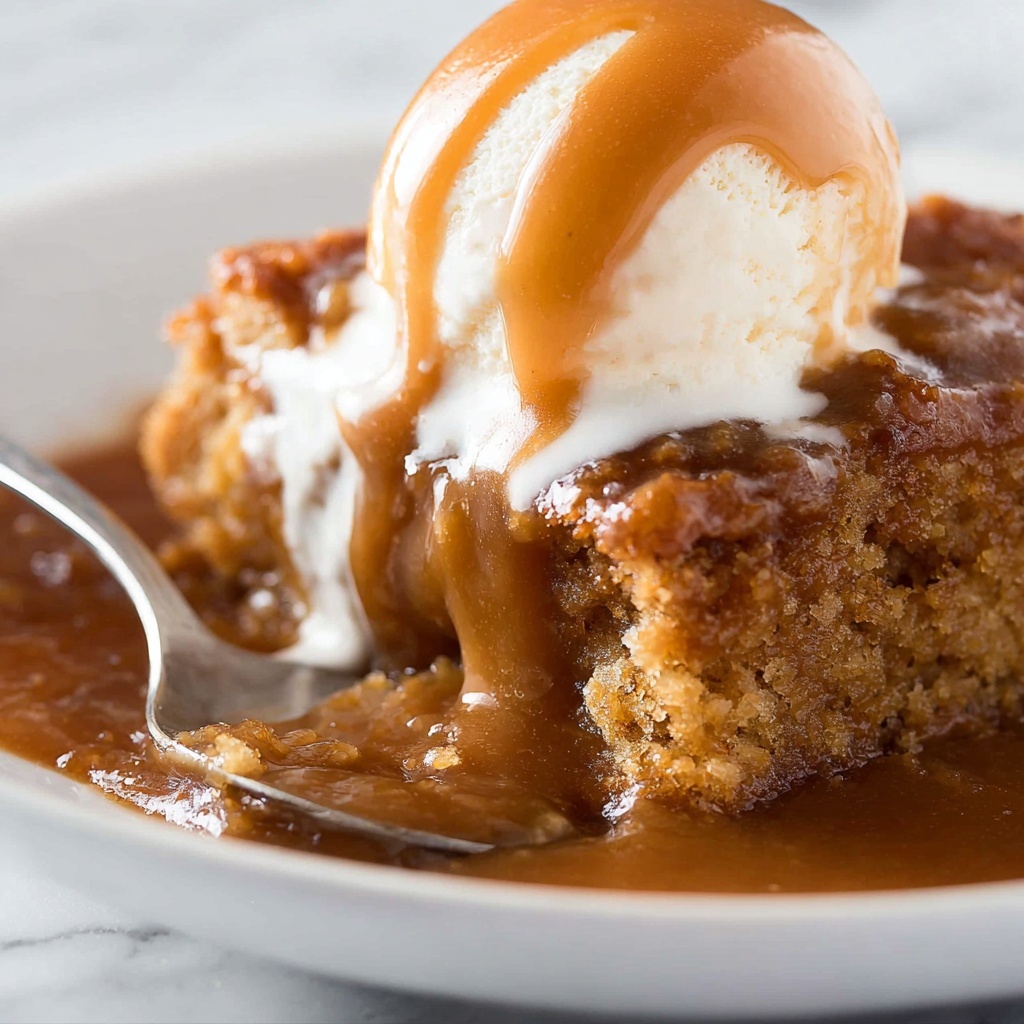
There is something truly magical about a warm, comforting dessert that practically makes itself, and that’s exactly what you get with this Self Saucing Butterscotch Pudding Recipe. Imagine a soft, buttery cake layer sitting atop a luscious, sticky butterscotch sauce that naturally forms during baking—no complicated steps, just pure, sweet indulgence. It’s the kind of dessert that feels like a warm hug on a cool evening, perfect for sharing or savoring all to yourself. Whether you’re a seasoned baker or just dipping your toes into homemade puddings, this recipe is sure to become an instant favorite.
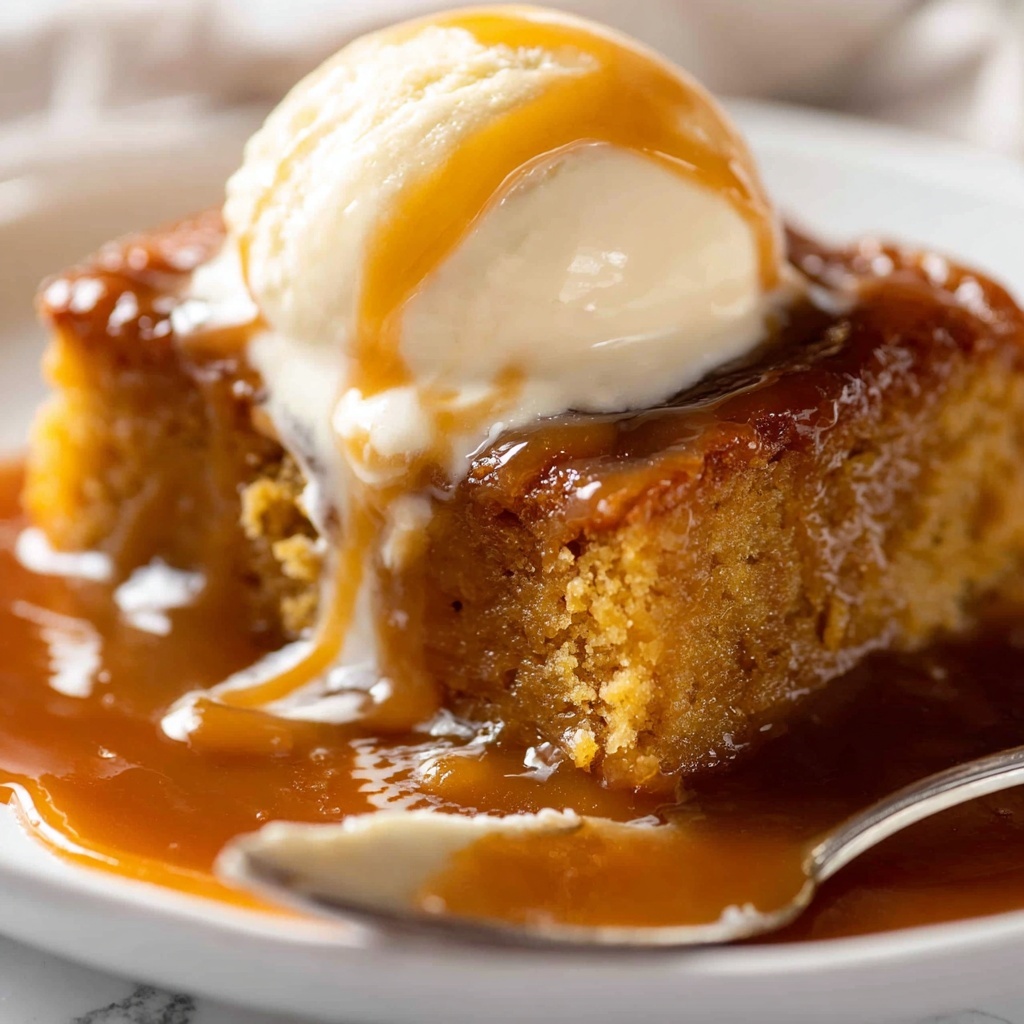
Ingredients You’ll Need
Getting ready to make this Self Saucing Butterscotch Pudding Recipe is wonderfully simple because the ingredients are staples that lend their best qualities to create that classic, comforting flavor and texture combination. Each element plays an important role, from the rich dark brown sugar giving deep caramel notes to the golden syrup adding that unmistakable buttery sweetness and shine.
- Dark brown sugar (50g + 150g): Packed sugars add that deep molasses-rich flavor essential for a genuine butterscotch taste.
- Plain flour (185g): The base for your pudding’s wonderfully soft and fluffy texture.
- Baking powder (2.5 tsp): Helps the pudding rise to a light, tender finish.
- Unsalted butter (100g, melted): Adds richness and moistness for that melt-in-your-mouth feel.
- Egg (1): Binds all ingredients together and contributes to the cake’s structure.
- Milk (125ml): Enhances the batter’s smoothness and balances sweetness.
- Golden syrup (4 tbsp): The secret behind the glossy, sticky butterscotch allure.
- Cornflour/corn starch (2 tbsp): Thickens the hidden sauce beneath the pudding’s surface.
- Boiling water (500ml): Essential for creating that self-saucing magic during baking.
- Vanilla ice cream: The perfect cool, creamy partner for serving.
How to Make Self Saucing Butterscotch Pudding Recipe
Step 1: Prep Your Oven and Dish
Start by preheating your oven to 180°C/350°F (160°C fan) and greasing a 6-cup baking dish generously with butter. This simple step ensures your pudding will cook evenly and will release easily once baked, setting you up for success before mixing a single ingredient.
Step 2: Make the Butterscotch Sauce Mixture
In a small bowl, whisk together the dark brown sugar and cornflour. This mixture is going to sit on top of the pudding batter initially but will work its magic by sinking down during baking to form that sweet, sticky sauce that makes this pudding so irresistible.
Step 3: Prepare the Pudding Batter
In a separate bowl, combine the remaining sugar, flour, and baking powder with a whisk until evenly mixed. Then, add the melted butter, egg, milk, and golden syrup, whisking until your batter is mostly smooth and free of lumps. This batter is what forms the soft, cakey layer you’ll fall in love with.
Step 4: Assemble the Layers
Scrape the batter into your greased baking dish and smooth the surface with a spatula. Next, sprinkle the butterscotch sauce sugar mixture evenly over the top, ensuring it’s spread from edge to edge for consistent flavor.
Step 5: Pour the Boiling Water
Here’s a clever trick: pour the boiling water gently over the back of a dessert spoon held close to the batter’s surface. This softens the pour so it doesn’t disturb the pudding batter. The boiling water is crucial—it creates steam and allows the sauce to develop underneath the cake layer while baking.
Step 6: Bake Until Perfect
Place your dish in the preheated oven and bake for about 40 minutes or until a skewer inserted into the cakey top comes out clean. You’ll know it’s done when the pudding has risen and the top looks lightly browned, with that enchanting sauce bubbling underneath.
Step 7: Reveal and Serve
Once baked, cut through the pudding to see the glorious butterscotch sauce hiding underneath. Scoop generous portions into bowls and don’t forget to douse each serving with the luscious sauce, finishing with a scoop of vanilla ice cream for the ultimate indulgence.
How to Serve Self Saucing Butterscotch Pudding Recipe
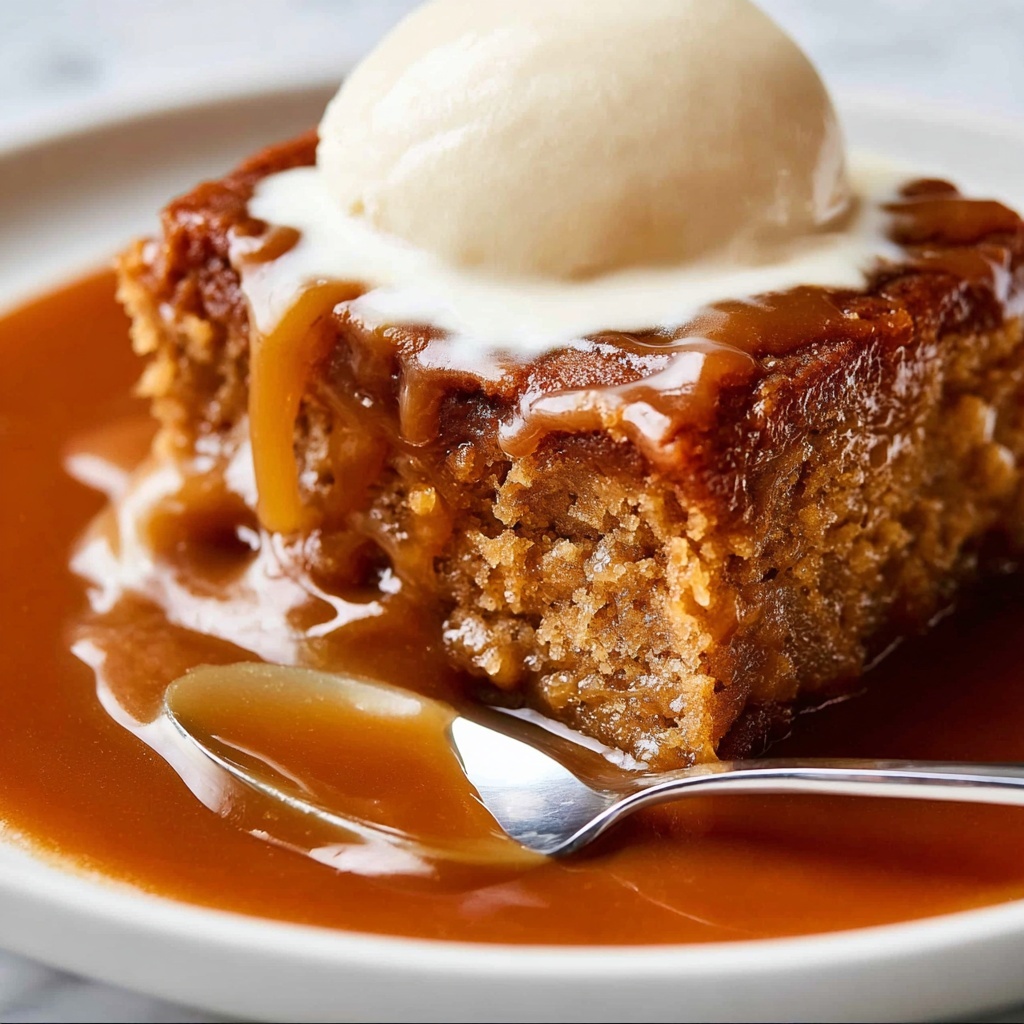
Garnishes
A generous scoop of silky vanilla ice cream is the classic and unbeatable choice here, melting into the warm pudding and balancing the rich sweetness. If you want to add some texture, toasted chopped pecans or a light sprinkle of flaky sea salt bring an exciting contrast that elevates the dish.
Side Dishes
This pudding shines on its own but pairs wonderfully with a light, crisp salad to cut through its richness if you’re serving it as part of a meal. For a simple occasion, a cup of fragrant tea or strong coffee adds a soothing, complementary flavor.
Creative Ways to Present
For a special gathering, serve this pudding in individual ramekins for a charming, personalized touch. Or, layer warm pudding and ice cream in pretty glass cups to show off the contrasting textures and colors—an inviting presentation that will impress your guests and make this recipe unforgettable.
Make Ahead and Storage
Storing Leftovers
If you’re lucky enough to have any leftovers, cover them tightly with cling film or transfer to an airtight container and refrigerate for up to 3 days. The sauce continues to soak into the pudding, making it even more delicious the next day.
Freezing
Freezing can change the texture of the cake and sauce, so it’s best to enjoy this pudding fresh. However, if you must freeze, place the pudding in a freezer-safe container and consume within one month. Thaw overnight in the fridge before reheating.
Reheating
Reheat leftovers gently in the microwave for 1-2 minutes or until warmed through. You can also reheat in a low oven (160°C/320°F) covered with foil to keep moisture intact. Don’t forget to add an extra scoop of ice cream or cream to revive that fresh-from-the-oven experience.
FAQs
Can I use light brown sugar instead of dark brown sugar?
Yes, light brown sugar can work in a pinch, but it will slightly alter the depth and richness of the butterscotch flavor. Dark brown sugar gives the pudding that signature, robust caramel note.
Is it possible to make this pudding gluten-free?
Absolutely! Substitute the plain flour with a gluten-free all-purpose blend. Just make sure your baking powder is gluten-free, and you’ll have a delicious gluten-free version of this Self Saucing Butterscotch Pudding Recipe.
Why do I need to pour boiling water over the batter?
The boiling water is crucial because it melts the sugar mixture on top and forms the luscious butterscotch sauce underneath the pudding as it bakes, creating the defining “self-saucing” effect.
Can I substitute golden syrup with something else?
If golden syrup isn’t available, you can use light corn syrup or honey, but the flavor will be a bit different. Golden syrup provides a distinct buttery sweetness that complements the butterscotch taste perfectly.
How do I know when the pudding is fully cooked?
The top cake layer should be golden and set, and a skewer inserted into it should come out clean. The sauce underneath will be bubbling gently, indicating the self-saucing magic is complete.
Final Thoughts
This Self Saucing Butterscotch Pudding Recipe is a shining example of how simple ingredients and straightforward methods can deliver a deeply satisfying dessert. It’s warm, sticky, and comforting all at once—a true crowd-pleaser you’ll want to make again and again. So grab your ingredients, get baking, and prepare to delight in every gooey, buttery spoonful.